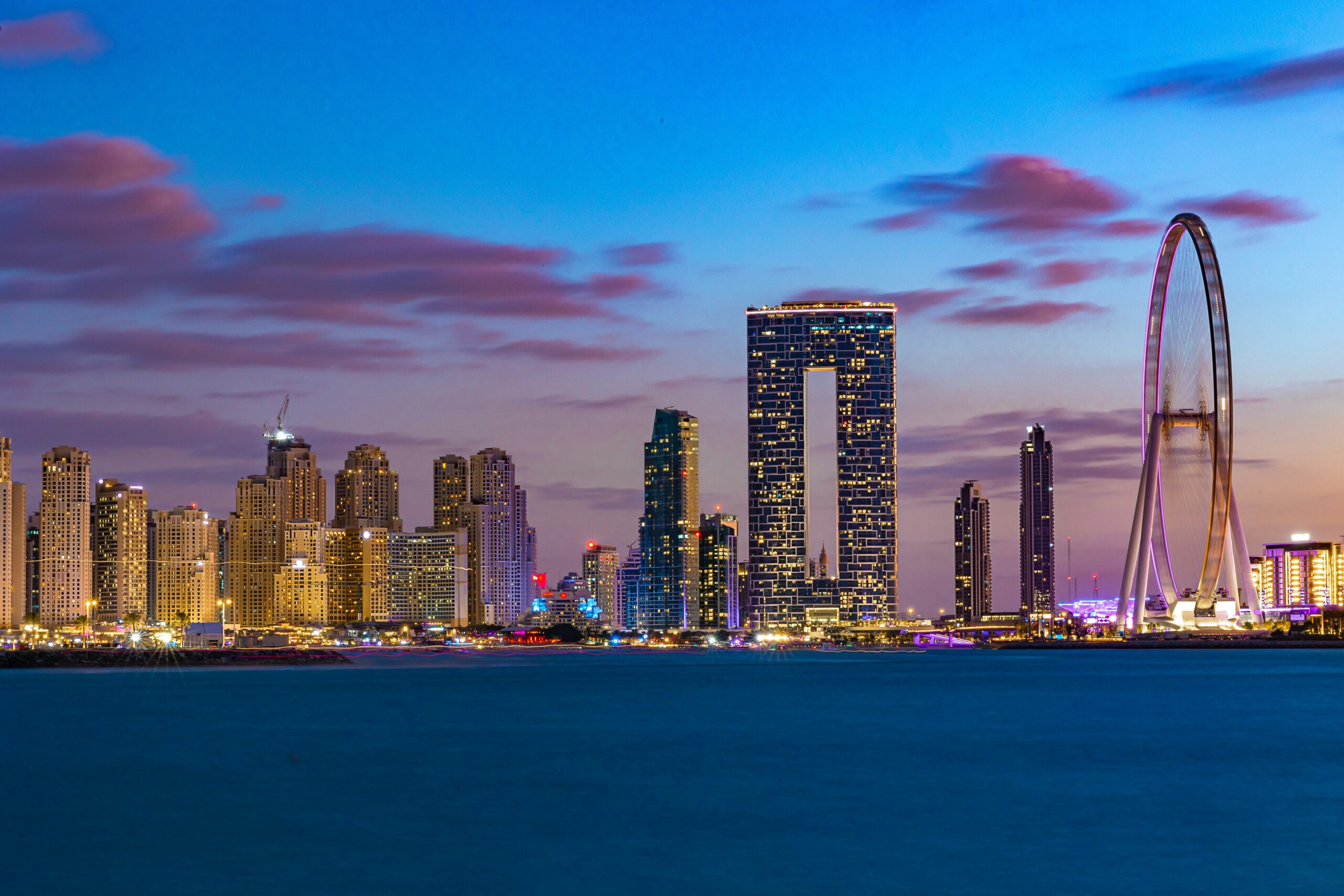
Why Dubai
Dubai has evolved into one of the world’s most internationally recognised real estate markets, attracting investors, residents, and global businesses alike. Over the past two decades, the city has positioned itself as a transparent, well-regulated, and internationally connected property destination.
Its growth has been driven by long-term planning, large-scale infrastructure investment, and a regulatory framework designed to support International ownership.
A Globally Connected Property Market
Dubai’s location between Europe, Asia, and Africa has made it a strategic hub for international trade, travel, and business. The city benefits from:
- A modern transport and logistics network
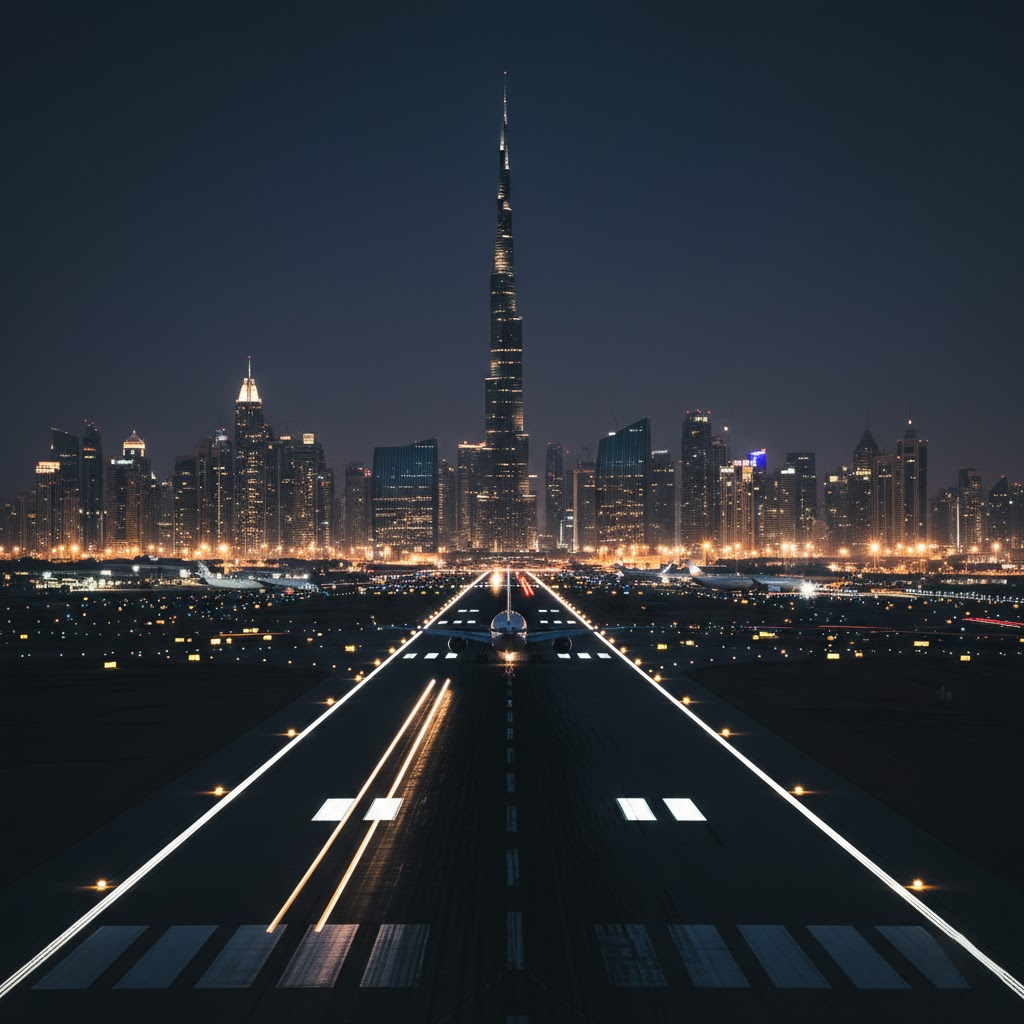
- One of the world’s busiest international airports
- A globally mobile population
- Strong demand from both residents and overseas buyers
These factors have supported sustained demand across residential, lifestyle, and investment-led developments.
Variety of Property Options
Dubai offers a broad range of real estate opportunities across different price points and property types, including:
- Apartments, villas, and townhouses
- Branded and lifestyle-led residences
- Off-plan and completed developments
- Freehold ownership areas available to international buyers
This variety allows buyers to explore options aligned with personal objectives, whether for lifestyle use, rental income, or long-term holding.
Regulated Real Estate Environment
Dubai’s property sector operates under a defined regulatory framework overseen by the Real Estate Regulatory Agency (RERA), which operates under the Dubai Land Department.
Key regulatory features include:
- Mandatory registration of real estate brokers and developers
- Escrow account requirements for off-plan projects
- Standardised sale and purchase agreements
- Clear title registration processes
These measures are designed to enhance transparency and protect buyer interests throughout the transaction process.
Recent Regulatory Developments
In recent years, Dubai has introduced regulatory enhancements aimed at strengthening investor confidence and supporting long-term market stability, including:
- Stricter escrow and project registration requirements
- Enhanced compliance standards for developers and brokers
- Improved digital access to land registration and property records
- Ongoing alignment with international best practices
These changes reflect Dubai’s focus on maintaining a mature and internationally credible property market.
Tax Environment Considerations
Dubai does not currently levy local income tax or capital gains tax on individuals. However, tax treatment depends on personal circumstances and country of tax residence.
Buyers should always seek independent tax advice in their home jurisdiction to understand any potential reporting or tax obligations that may apply.
Residency Options Linked to Property Ownership
Dubai offers a range of residency visa options that may be available to individuals who meet specific criteria, including property ownership thresholds. These may include:
- Long-term residency visas linked to qualifying property investments
- Renewable residency visas for property owners
- The UAE Golden Visa for eligible investors meeting higher investment thresholds
Visa eligibility, duration, and conditions are subject to change and are assessed by the relevant UAE authorities.
Property ownership does not automatically guarantee residency, and applicants should seek independent immigration advice before making any decisions.
Our Role
Palm Pathways provides general market information and introductions only.
We do not:
- Provide investment advice
- Assess suitability
- Make recommendations
- Act as estate agents or brokers
All decisions relating to property purchase, financing, taxation, or residency are made independently by the buyer with their chosen professional advisers.
Compliance Notice
Information provided is for general guidance only and should not be relied upon as financial, legal, or tax advice.